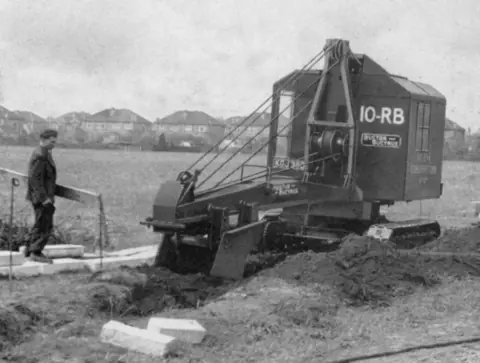
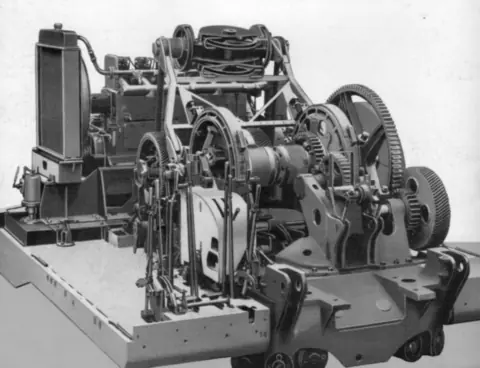
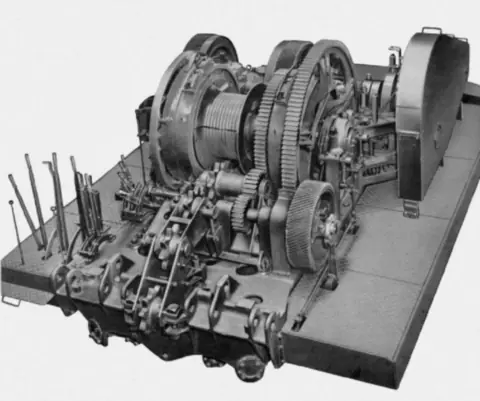
It was without doubt ‘just one hell of a place to work’, and I say that with all due reverence.
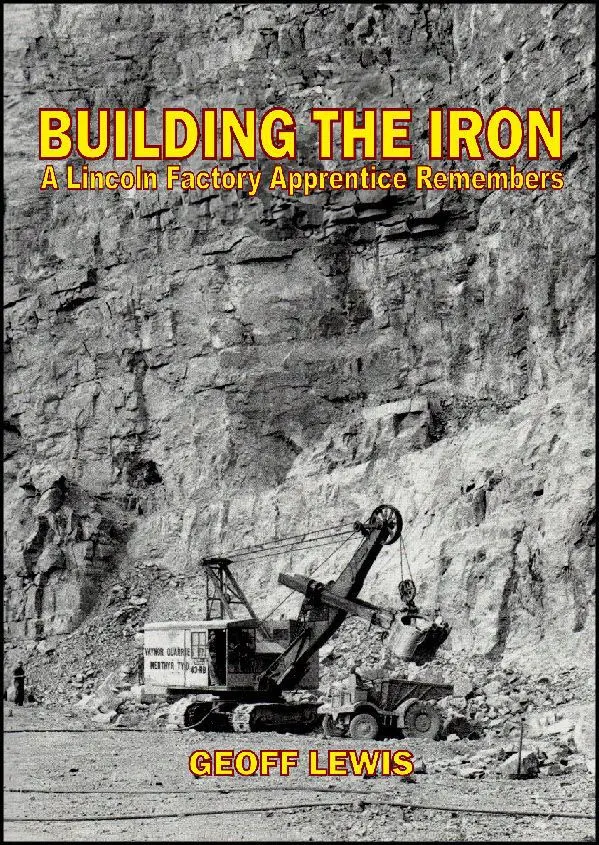
Lincoln, and the Ruston Bucyrus excavator works, was where I spent the first five years of my engineering career, building the iron with men who became my comrades and whose spirit is in me for good.
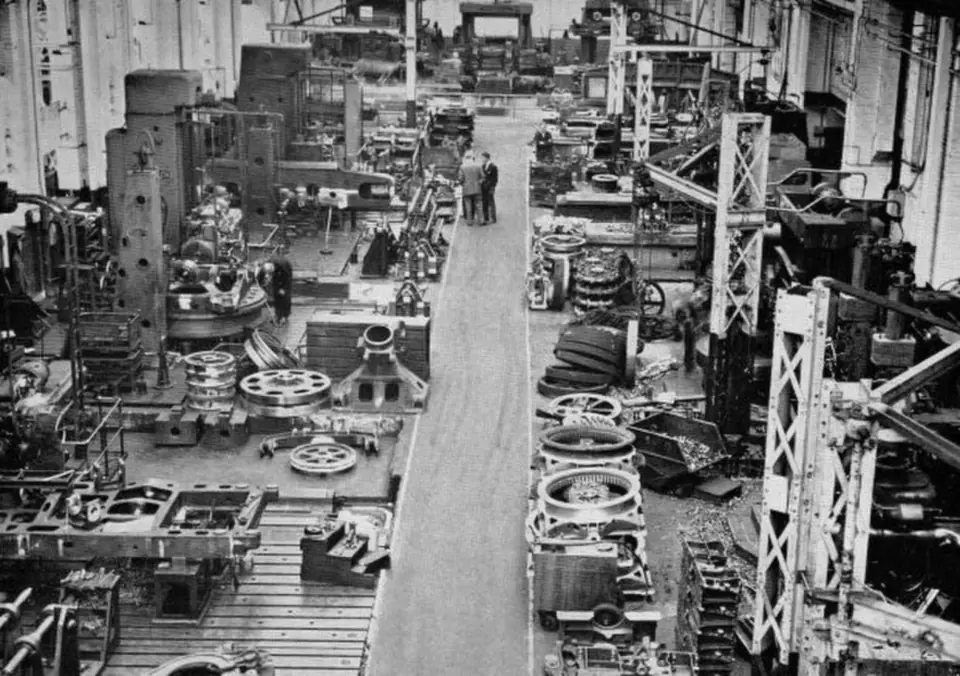
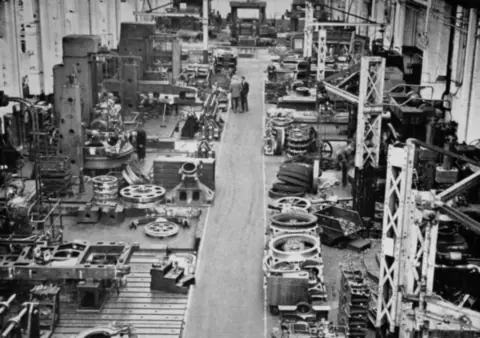
So what was it like, a 20th-century factory with no computers and no calculators? Follow me round and I’ll show you things you wouldn’t normally see. Like the ten-foot spur gears for the 110 and 150 shovels being cut. Those teeth will draw blood in no time if you put your hands on them.
The works ran along Beevor Street: eighteen bays side by side across a fifty-acre site. The two big ones were eighty feet high under acres of glass: No 2, the heavy machine shop, and No 3, the erecting shop. In August 1959 the north end was full of 38 and 30 series draglines and shovels, while at the south end one of the new 110 electric shovels fought for space with the 54s. Apprentices got their first taste of heavy engineering in No 2 Bay, under their fumbling fingers.
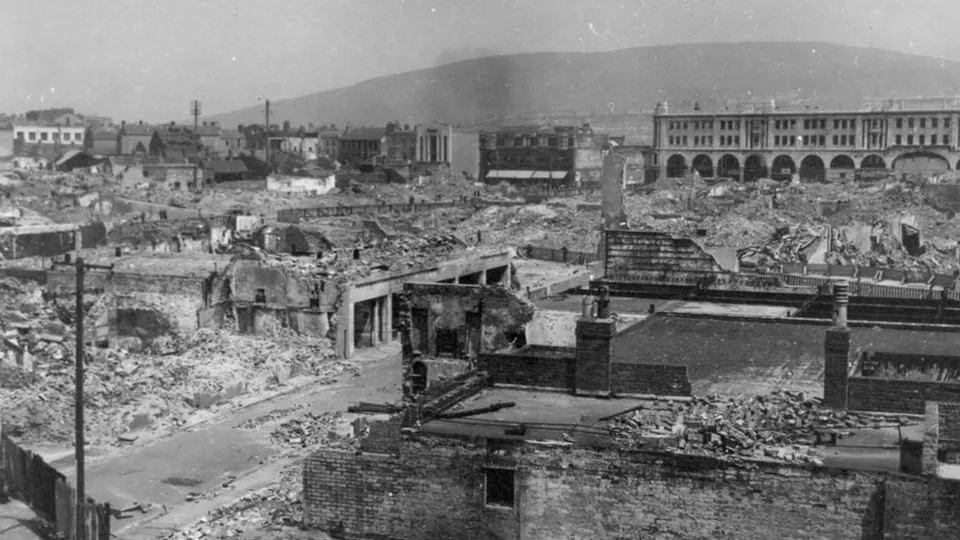
Nos 2 and 3 are gone now, razed for a DIY superstore, and the test field that once throbbed with machines stands lifeless. But I made the right choice. Nothing in South Wales could have taught me half as much.